Harare’s Financial System Breached: Over 1,000 Individuals Gained Unauthorized Access, Exposing Millions to Potential Misuse
The City of Harare is grappling with a significant security lapse, as it has been revealed that over 1,000 individuals had unauthorized access to the municipality’s financial system. This alarming breach has ignited serious concerns regarding potential corruption and the misappropriation of funds, estimated to be in the millions of dollars, at a time when essential service delivery continues to falter.
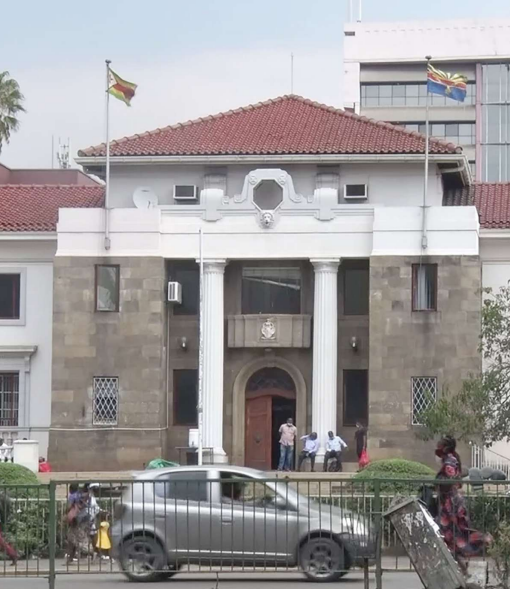
The revelation surfaced during the final full council meeting of the year, held at Town House. Mayor Jacob Mafume expressed his dismay and directly questioned the identity of the “super user” responsible for tampering with the system. In response, a council official confirmed that the matter had been escalated to the police. Preliminary investigations indicated that an astonishing number of people – 1,000 individuals – possessed the authority to open accounts directly within the council’s financial framework.
Mayor Mafume addressed councillors and employees, emphasizing the public nature of the council’s operations. “The council is a public institution, not personal property,” he stated firmly. “Take your work seriously when you are here.” He further highlighted the impending implementation of an Enterprise Resource Planning (ERP) system, which he believes will be instrumental in curbing rampant theft. “The theft that has been happening has been due to human factors,” Mafume explained. “If 1,000 people have access to the council system, it’s a chaotic situation. Let’s have a tight system.”
The absence of a robust ERP system has been a long-standing identified vulnerability in Harare’s municipal governance, creating fertile ground for corruption and financial mismanagement. An ERP system is designed to consolidate critical functions, such as accounting, procurement, and billing, into a unified, transparent, and auditable platform. Without such a system, the city has been reliant on older, more susceptible technologies that are demonstrably easier to manipulate, as evidenced by the recent security breach.
Mayor Mafume lamented that the council’s financial system had not been fully digitalized, which had unfortunately allowed employees to exploit existing loopholes for personal gain at the expense of the municipality. “The systems have been manipulated. Super users have gone in to take money and create accounts,” he revealed. “We had 1,000 people who had authority to create an account within our system — that’s how loose our system was. We are tightening controls around profligacy, corruption, and misuse of council funds so we can focus on investments, housing, and other projects.”
Prosecuting Corrupt Ratepayers and Digitalizing Operations
Looking ahead, Mayor Mafume indicated that the council intends to pursue legal action against both the identified super user and any residents who may have colluded in these illicit activities. “We are going to prosecute residents whose bills were manipulated,” he announced. “Some were approached and agreed to pay a certain amount to an individual and a minimal amount to the council to clear their bills. Those ratepayers must come forward, or we will prosecute them. We have the records.”
To further mitigate the risks of human intervention and potential fraud, the council is planning a comprehensive digitalization of most of its operations. This strategic shift aims to streamline service delivery and enhance accountability. “People will not have to visit physical offices for many of the services we offer,” Mafume added, underscoring the move towards greater convenience and transparency.
This latest incident follows a recent, separate revelation where five council workers were found to have used fraudulent accounts to embezzle approximately ZiG $500,000 from residents in a mere four-day period. These recurring instances underscore the urgent need for systemic reforms and robust oversight within the City of Harare’s financial management.
The scale of the breach, involving over 1,000 individuals with unauthorized access, paints a grim picture of the internal controls (or lack thereof) within Harare’s financial infrastructure. The implications are far-reaching, potentially impacting the city’s ability to fund essential services like water provision, waste management, and road maintenance, all of which are already under severe strain.
The Imperative of an ERP System
The introduction of an ERP system is not merely a technological upgrade; it represents a fundamental shift towards modern, accountable governance. Such systems provide:
- Centralized Data Management: All financial transactions and records are stored in one secure location, reducing the risk of discrepancies and unauthorized alterations.
- Enhanced Transparency: Real-time access to financial data for authorized personnel allows for better monitoring and faster identification of irregularities.
- Streamlined Workflows: Automation of routine tasks minimizes manual intervention, thereby reducing opportunities for human error and deliberate manipulation.
- Improved Auditing Capabilities: ERP systems facilitate easier and more thorough audits, making it harder for fraudulent activities to go undetected.
- Robust Security Features: Modern ERP solutions incorporate advanced security protocols to protect sensitive financial information from unauthorized access.
The current situation in Harare highlights the critical need to accelerate the adoption of such technologies. The financial repercussions of these breaches extend beyond the immediate loss of funds. They erode public trust, deter potential investors, and ultimately hinder the city’s capacity to serve its citizens effectively. The council’s commitment to prosecuting offenders and digitalizing its operations signals a willingness to address these deep-seated issues, but the path to regaining financial integrity and public confidence will undoubtedly be a challenging one.